| RVers of the Month: Kristin and John |
|
Why Rent a Motorhome or RV? |
 December of 2023 Features: Ruby's Winding Road December of 2023 Features: Ruby's Winding Road
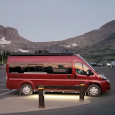
"Hi there. We're Kristin and John. We're glad you've stopped by Ruby's Winding Road. We are empty nesters who call Missouri home. Years ago, we started RVing using a truck towing a fifth-wheel trailer. We took short family vacation trips here and there, as that's all the time our work/family lives would allow. We enjoyed our trips, but dreamed of the time in our lives when we would be able to come and go without pesky deadlines. Now that our youngest kiddo is finished with college, the day-to-day parenting work is done. And, after decades of the daily grind, we're exploring a new phase of life. We're writing about our experiences in the hopes that they might be informative for others interested in RVing. Maybe our journey simply turns out to be an entertaining story for you to follow. Either way, thanks for checking out our site and please come back to visit Ruby's Winding Road soon. Ruby is a 21 ft., 2022 Winnebago Travato, Model 59K. Please stop by frequently to find out where we've wandered and what we've learned. " For more rv Blogs and Vlogs visit our RV Travelogues section.
|
|
There are many reasons why renting a motorhome instead of 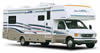 purchasing may be a good solution. For the individual who has limited vacation time, a short term vacation on wheels without the long term costs associated with rv ownership may be the best option. The outright costs associated with buying an rv from a dealer include; licensing fees, insurance, storage and ongoing maintenance. Couple these costs with a relatively quick depreciation rate and the motorhome rental option begins to look better by the moment. purchasing may be a good solution. For the individual who has limited vacation time, a short term vacation on wheels without the long term costs associated with rv ownership may be the best option. The outright costs associated with buying an rv from a dealer include; licensing fees, insurance, storage and ongoing maintenance. Couple these costs with a relatively quick depreciation rate and the motorhome rental option begins to look better by the moment.
Another reason to rent an rv is for first time buyers. Try before you buy. You may not always be able to rent the exact model rv you wish to purchase but you will be able to find out the things you must have and those you can live without. One can also get an overall sense of their comfort level driving, parking and living in an rv for a time.
Use this link to find motorhome and rv rental locations. |
|
|
|
Storing an RV properly is crucial to maintaining its condition and ensuring it's ready for your next adventure. Here are some of the most important things to consider when storing your RV:
- Clean Thoroughly: Before storing your RV, clean both the interior and exterior thoroughly. Remove all food items, clean appliances, and vacuum or sweep the floors. Clean and treat the exterior, including the roof, to prevent dirt, debris, and moisture buildup.
- Check for Leaks and Repairs: Inspect your RV for any leaks or areas of concern. Address any necessary repairs before storing the vehicle to prevent further damage during storage.
- Empty and Disconnect Tanks: Empty and flush the holding tanks, including the black and gray water tanks. Disconnect the propane tanks and turn off all appliances.
- Battery Care: Depending on the length of storage, consider disconnecting the RV's batteries or using a battery disconnect switch to prevent draining. If your RV has a generator, follow manufacturer guidelines for maintenance.
- Tire Maintenance: Inflate the tires to the recommended pressure and consider using tire covers to protect them from UV rays. If storing for an extended period, consider using tire chocks or blocks to prevent flat spots.
- Cover or Protect: Use an RV cover or invest in a climate-controlled storage facility to protect your RV from the elements, including sun, rain, snow, and wind.
- Ventilation: Ensure adequate ventilation by cracking open windows or using roof vents to prevent moisture buildup, which can lead to mold and mildew.
- Rodent and Pest Prevention: Seal any openings where rodents or pests might enter, such as gaps in doors or vents. Use traps, repellents, or other preventive measures to keep pests away.
- Stabilize and Level: If possible, level your RV and stabilize it using leveling blocks or jacks. This helps distribute weight evenly and prevents stress on the tires and suspension.
- Interior Protection: Use shades, curtains, or covers on windows to protect interior furnishings and fabrics from sun damage. Consider using moisture-absorbing products to reduce humidity inside the RV.
- Regular Check-ins: Even if you're storing your RV for an extended period, try to visit and inspect it periodically. This allows you to catch any issues early and ensure the RV is in good condition.
- Documentation: Keep a checklist of tasks performed before storage and any maintenance or repairs done during storage. This helps you keep track of the RV's condition and ensures you're prepared when it's time to use it again.
Remember, proper RV storage practices may vary depending on the type of RV you have and the climate in which you're storing it. Following these guidelines will help preserve the value and functionality of your RV, ensuring it's ready for your next adventure.
|
|
What's Popular Today |
| |
Dealer Pages |
Recreational Vehicle Storage |
| |
|
|
|
|
|
| |
|
|
|
|
|
| |
|
|
|
|
|
|
|
|
| RV News |
Alaska RV Storage site Added to RV Resources
Posted on Saturday December 02, 2023 A-1 Park and Store of Anchorage, AK. Full service storage for recreational vehicles, travel trailers, snowmobiles, boats, trucks, etc. Extra wide aisleways and stalls. Large, level, fenced, and lighted yard. Secure your RV, boat, trailer, or other personal valuables in a storage facility recognized as one of the best choices in the Anchorage area. Whatever your storage needs, we offer a variety of sizes and styles as well as convenient airport parking. Choose from 20ft, 30ft, 40ft and 40ft pull through. Our wide driveways and turn around areas offer easy maneuverability. While our parking areas and driveways are fully paved to minimize dust and keep your vehicles clean. We also have FREE temporary power plug-ins available when you need power to work on your vehicle. Most important, our perimeter fencing with extensive lighting, 24-hour video surveillance system and on-site resident managers provide excellent security and customer service. Ohio RV Repair Site added to Service Center Pages
Posted on Saturday December 02, 2023 Holman RV of Cincinnati, OH. The service department here at Holman Motors has a knowledgeable, courteous and professional staff to meet all of your service needs. Many of our technicians are either ASE or RVIA certified. Onsite we have a complete RV and auto body paint and repair shop, plus 50 Service Bays to serve you. We are the Tri-State Area's Towing Headquarters. Holman Motors stocks hundreds of Drawtite hitches and the accessories needed for towing such as Trans cooler, fifth wheel and gooseneck hitches, pintle hooks, electrical wiring and much more. Over 50 Service Bays. We specialize in GMC motorhome service and Chevrolet and GMC chassis warranty center. Workhorse chassis warranty center. Free insurance body shop estimates available and all types of fiberglass and metal repairs. Please call for rates or questions about service rates or warranty work. Florida RV Rental Site added to Directory
Posted on Wednesday November 01, 2023 Camp USA of Orlando, FL. Your one source for luxury rv rentals throughout the state of Florida. We are able to meet you at the airport your campground your home or ours. No matter what size or type of motorhome you are looking to rent for we have a unit and price that we guarantee you will like and be comfortable with for footbal games, Labor Day or any other holiday. We have locations in Ft. Lauderdale and Orlando and we also provide statewide recreational vehicle delivery. Ask us about our consignment sales program and become part of our family with a motor home or trailer today. |
|



